
Gas Line Maintenance: Protocols, Technologies, and Digital Management
Gas line maintenance is now safer and more efficient thanks to advanced protocols and technologies. Discover how digital twin and IoT reduce risks and operational costs
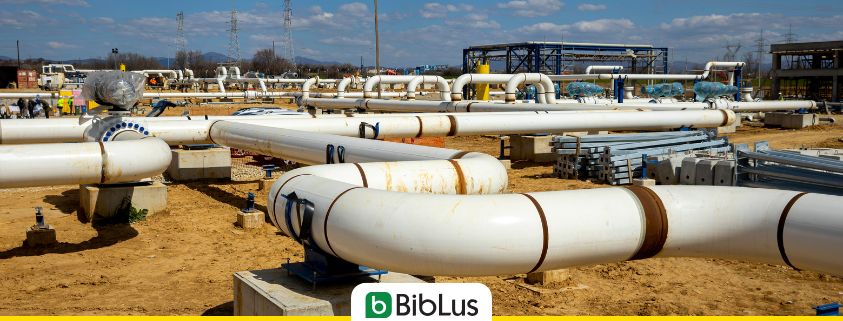
Gas line maintenance is a strategic activity to ensure safety, service continuity, and operational efficiency. These are critical infrastructures, where any failure can have significant consequences for people, the environment, and management costs.
In recent years, the adoption of structured protocols and the use of digital technologies such as IoT, digital twin, and predictive systems have radically transformed the sector, facilitating the shift from reactive management to more intelligent preventive maintenance.
In this scenario, digital tools for asset maintenance represent essential support: they allow for coordinating interventions, geolocating network components, monitoring the status of systems in real-time, and evaluating performance through customized KPIs. Integrated solutions that optimize field activities, reduce downtime, and increase overall safety.
In this article, we will delve into the fundamental principles of gas line maintenance, reference regulations, the most innovative technologies, and operational procedures for managing failures and emergencies.
Contents
What is gas line maintenance and why is it so important?
Gas line maintenance encompasses the technical, operational, and managerial activities aimed at ensuring the safe, continuous, and efficient operation of natural gas distribution infrastructures. These networks constitute a branched and interconnected system, composed of underground pipelines, pressure reduction stations, shut-off valves, joints, and other strategic devices that allow gas to reach homes, businesses, and industrial plants.
The importance of maintenance goes beyond simple fault repair: on the contrary, it is a proactive and systemic process aimed at:
- preventing accidents and dangerous leaks;
- ensuring service continuity, even in the event of unforeseen events;
- extending the useful life of infrastructures;
- ensuring compliance with current technical and environmental regulations;
- reducing overall operational costs through precise asset control.
Without an accurate and updated maintenance plan, the risk of sudden failures, service interruptions, or environmental damage significantly increases. Furthermore, in a highly regulated sector like energy, non-compliance with technical provisions can lead to penalties, litigation, and reputational damage.
Today, with the digital evolution of the sector, maintenance is transforming from a simple operational activity to a strategic lever for intelligent gas line management. Technologies such as IoT, digital twins, and predictive platforms indeed allow for real-time monitoring of network conditions, planning targeted interventions, and improving the overall resilience of the system. In this scenario, maintenance becomes an enabling factor for sustainability and energy security.
Operational management of gas lines: classification and maintenance approaches
Gas line maintenance represents a strategic activity to ensure safety, service continuity, and compliance with regulatory standards. Distribution networks are complex systems that include main pipelines, secondary branches, shut-off valves, joints, pressure reducers, and regulation stations. Each component requires targeted checks and interventions to ensure that the network operates without interruptions and at maximum efficiency.
Maintenance activities are generally classified into three main categories:
- ordinary maintenance:
includes all scheduled and repetitive operations, such as periodic pressure checks, inspection of joints, verification of the condition of pipelines, and maintenance of regulation equipment. The goal is to keep the network in good operational condition, reducing the likelihood of sudden failures; - extraordinary maintenance:
is required in case of anomalies, failures, or damages detected during inspections or reported by users. It may include repairs, replacements of pipeline sections, technological upgrades, or interventions due to urban planning changes; - preventive and predictive maintenance:
these are advanced approaches aimed at preventing failure before it occurs. Preventive maintenance follows a predetermined schedule, while predictive maintenance uses continuous monitoring technologies, IoT sensors, and data analysis to detect early signs of degradation.
Effective maintenance management starts with accurate mapping of the network, continues with a well-structured intervention plan, and is completed with a digital management system that integrates inspection data, intervention history, and real-time reporting.

Main components of the gas network
Prevention and Safety
Gas line maintenance is closely linked to compliance with safety protocols, as any failures or leaks can have significant consequences for people, the environment, and service continuity.
Distribution companies are required to develop and implement Prevention and Safety Plans that include:
- periodic inspections according to recognized technical standards;
- training and updating of operational personnel;
- emergency procedures for gas leaks or serious anomalies;
- environmental monitoring and management of user reports.
Adopting a “safety first” approach not only ensures legislative compliance but also drastically reduces the risk of incidents and improves service reliability.
Advanced Monitoring and Predictive Maintenance
Technological evolution has radically transformed gas line maintenance strategies, shifting from a reactive approach (intervening after a failure) to a predictive one, based on real-time monitoring and data analysis.
These solutions allow for early detection of degradation signals, targeted intervention planning, and reduction of costs and downtime, improving the overall safety and sustainability of the service.
IoT Platforms and Digital Twin
The integration of IoT sensors along the gas line allows for continuous and precise monitoring of fundamental parameters for safety and operational efficiency. In addition to traditional monitoring of gas pressure and flow, the sensors detect:
- local temperatures, useful for identifying abnormal variations that may compromise the stability of the pipelines;
- vibrations and micro-movements, indicators of possible structural failures or abnormal mechanical stresses;
- chemical variations that signal internal corrosion or gas leaks that are not visually detectable.
All collected data flows into centralized management platforms. Here, the network is represented through a digital twin, which is a real-time updated digital replica reflecting the actual state of the infrastructure. This tool allows for:
- simulating operational scenarios and predicting possible critical issues;
- virtually testing intervention solutions before their application in the field;
- planning maintenance accurately, minimizing costs and downtime.
The digital twin thus becomes a true dynamic control hub, essential for modern gas line management.

Digital Twin and IoT in gas networks
Data analysis for anomalies and scheduled interventions
The large amount of data collected from sensors is processed through machine learning algorithms and predictive models, capable of transforming raw information into concrete operational decisions.
These systems:
- signal anomalies in real-time, activating automatic notifications to control centers;
- classify the severity of problems, distinguishing between critical, urgent, or low-priority anomalies;
- suggest priority interventions based on risk assessments, service impact, and intervention costs.
Thanks to this advanced analysis, maintenance can be scheduled during times of lower operational impact, avoiding unplanned service interruptions and ensuring a more efficient use of resources.
Benefits: reduced downtimes, ROI, sustainability
The combined adoption of IoT, digital twin, and predictive maintenance not only improves network monitoring but also generates strategic and measurable benefits, both operational and economic, such as:
- reduction of downtimes: thanks to the ability to detect anomalies at an early stage, interventions can be planned in a targeted and proactive manner. This minimizes service interruptions and reduces inconveniences for users and operators. A real-time monitored infrastructure is less prone to sudden failures and emergency interventions, positively impacting service continuity;
- improvement of ROI: predictive interventions allow for the optimization of economic and human resources: personnel are deployed where the risk is higher, avoiding unnecessary interventions. Additionally, scheduling maintenance reduces costs associated with emergency repairs and limits the use of vehicles and materials in critical situations, improving the return on investments;
- sustainability: intelligent maintenance management reduces material consumption and energy use, as interventions are targeted and only made where necessary. This approach results in lower emissions related to maintenance activities, less waste, and a more sustainable management of infrastructures.
Interventions for failures and emergencies
Despite prevention protocols and advanced monitoring systems, failures or emergencies may occur. The readiness to intervene is crucial to reduce safety risks, environmental damage, and service interruptions.
Procedure in case of leak
In case of detection of a gas leak, standard procedures include:
- rapid identification of the affected area through sensors or external reports;
- immediate closure of shut-off valves to isolate the compromised section of the network;
- verification of environmental conditions to prevent explosion or fire risks (in accordance with ATEX regulations);
- intervention of the operational team with specific equipment and PPE;
- repair or replacement of the damaged section of the network;
- safety testing and reopening of the service only after verification in accordance with regulations.

Emergency procedure leak
GIS for Valve Management and Service Continuity
Integrated GIS (Geographic Information System) systems with the gas network allow to:
- accurately locate shut-off valves;
- visualize the status of the network and the area affected by the intervention in real-time;
- plan temporary bypasses to keep the service active in areas not affected by the failure;
- record interventions and automatically update the network mapping.
The combined use of GIS and dedicated digital platforms improves response speed, reduces operational risk, and ensures coordinated emergency management.
Tools for Utility Maintenance
The increasing complexity of technical infrastructures, combined with the need to ensure continuity, safety, and sustainability, has made the use of digital tools for maintenance management essential. Companies involved in services such as gas, water, electricity, or district heating distribution manage a complex network of assets, often spread over large territorial areas and subject to stringent regulations.
In this context, traditional manual methods are no longer sufficient. An integrated, dynamic, and data-driven approach is needed to:
- plan interventions;
- optimize resource use;
- ensure asset and facility traceability;
- monitor the effectiveness of maintenance activities in real-time.
Digital Management of Field Activities
One of the main challenges in utility maintenance is effectively coordinating operational teams, especially when it comes to interventions distributed across the territory or of an urgent nature. The use of facility management software allows for ticket management, creation of work orders, assignment of specific tasks, and real-time progress monitoring.
This tool enables:
- receiving reports directly from operators or IoT sensors;
- transforming requests into traceable tickets with priorities, deadlines, and technical instructions;
- avoiding overlaps between ordinary and extraordinary maintenance, reducing inefficiencies and operational interference;
- centralizing documentation related to each intervention (technical sheets, manuals, checklists, history).
Geolocation of Assets, Properties, and Facilities for Emergency Response
When it comes to distributed infrastructures — such as gas networks — asset localization is a critical element for operational efficiency. It is not just about knowing where a particular facility is located, but about contextualizing it within the entire network and its interconnections.
Advanced georeferencing tools, which integrate 2D maps and 3D models, allow to:
- visualize on the map valves, joints, manholes, regulation stations, and technical properties;
- access specific technical information directly at the mapped point (via QR code or digital tags);
- plan interventions avoiding overlaps or risks arising from proximity to other assets;
- facilitate the work of field teams in emergency situations, where every minute is critical.
Reports and Analytics with Customized KPIs and SLAs
A modern maintenance system cannot do without a structured performance control. Software dedicated to facility and asset management integrates advanced analysis modules that allow to:
- monitor the status of interventions (on time, delayed, out of SLA);
- track key performance indicators (KPIs) such as MTTR (mean time to repair) or MTBF (mean time between failures);
- generate customized dashboards for each stakeholder (technical office, management, quality control);
- set specific SLAs (Service Level Agreements) for asset type, criticality, or geographical area.
Thanks to the automatic and centralized collection of data, it is possible to:
- make informed decisions about the priority of interventions;
- analyze failure trends to improve future design;
- optimize the management of the asset lifecycle, extending its lifespan and reducing unplanned replacement costs.
This measurement-oriented approach transforms maintenance from a cost center to a strategic lever for the continuous improvement of utilities.
Digital evolution has provided utility operators with concrete tools to methodically and precisely tackle the daily challenges of maintenance. Centralized management of work orders, intelligent geolocation of assets, and precise performance analysis are now fundamental elements to ensure operational efficiency, traceability, and safety.
These increasingly felt needs find answers in facility management software that integrate all these functionalities into a single digital ecosystem: an indispensable tool for those who want to transform maintenance from reaction to prevention, from operational activity to a data-driven management strategy.
FAQ – Gas Line Maintenance
What is gas line maintenance?
It is the set of technical and operational activities aimed at ensuring safety, service continuity, and efficiency of gas distribution infrastructures. It includes interventions on pipelines, valves, regulation stations, and other critical components of the network.
What are the main types of maintenance?
Activities are divided into:
- ordinary maintenance (scheduled and recurring);
- extraordinary maintenance (in case of failures or anomalies);
- preventive and predictive maintenance, based on continuous monitoring and data analysis to anticipate problems.
Why is gas line maintenance so important?
Because gas networks are critical infrastructures: a failure can generate safety risks, environmental damage, and high costs. Good maintenance ensures reliability, regulatory compliance, and reduction of unforeseen events.
What role do digital technologies play in maintenance?
Technologies such as IoT, digital twin, and predictive analysis systems allow for real-time monitoring of networks, identifying signs of degradation, reducing downtime, and planning targeted interventions, improving overall efficiency.
How are failures or emergencies managed on the gas network?
In case of a leak or anomaly, precise protocols are followed: isolation of the area, environmental verification, intervention by operational teams, and reactivation only after safety checks. GIS helps locate valves and plan any bypasses.
Are there digital tools for maintenance management?
Yes. Modern utilities use software that allows to:
- manage work orders and field teams;
- geolocate assets and facilities on interactive maps;
- monitor KPIs and SLAs through customized dashboards;
- centralize data for integrated and traceable management.


