
Residential vs. commercial/industrial electrical systems: key differences explained
Understanding the differences and Regulations of Residential, Commercial and Industrial Electrical Systems.
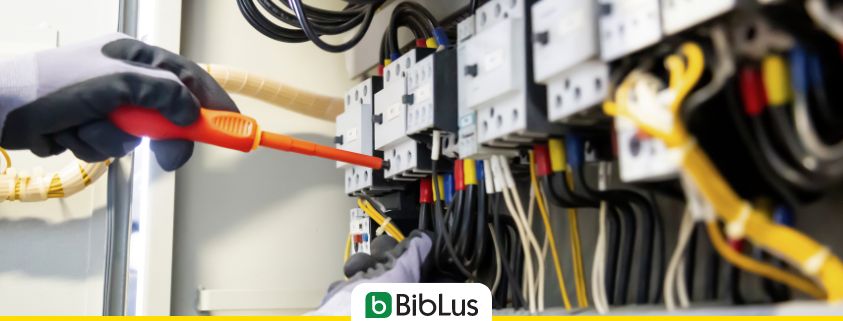
There are two main types of electrical systems: residential and industrial. While both serve the same purpose, a residential system differs in many aspects from an industrial one. Let’s explore the main differences between the two types of systems and the regulations that govern them.
It is worth noting that there are specific software for the design of 3D electrical systems integrated with the building’s architecture and structure.
Contents
What is an electrical system and what are its main components?
An electrical system is a set of devices and instruments designed for the production, transformation, and distribution of electrical energy. Despite significant differences between the two main types of systems, there are a series of fundamental components present in all types, including:
- meter: installed in every system, it measures both active and reactive power, both supplied and withdrawn;
- electrical cables and conductors: for the transport of electrical energy;
- electrical panel: installed downstream of the meter, it contains circuit breakers and the residual-current device. Thanks to the elements it contains, it ensures the safety of electrical systems by supplying power to circuits or interrupting the supply in case of danger. The panel also allows for consumption readings;
- grounding system: serves to safeguard people’s lives by protecting them from the risk of electric shock. It represents the fundamental protection of every compliant electrical system;
- junction boxes: inside them, the conductors connected to outlets and light points branch out;
- residual-current device (RCD): it is the main safety device of an electrical system, responsible for cutting off the flow of electrical energy from the meter in case of electrical leakage or shock, or in the event of a system failure or malfunction.
Let’s now delve into the two main types of electrical systems.
What are industrial electrical systems?
Industrial electrical systems are designed to provide electrical energy to machinery and equipment used in industrial environments. These systems are responsible for ensuring the safety of personnel, the continuity of production activities, and meeting the specific production needs of companies.
The main characteristics of an industrial electrical system include:
- high power and energy capacity: industrial electrical systems must support the power required to operate even large machinery;
- greater complexity in design and installation: due to the high power demands, industrial electrical systems are much more complex to design and install compared to residential systems;
- use of industrial materials and components: elements such as cables, pipes, electrical panels, plugs, and sockets must be of industrial grade, designed to withstand more severe conditions than domestic ones;
- mandatory maintenance and periodic checks: industrial systems require constant maintenance and periodic checks to verify their integrity and proper operation, in order to prevent failures and safety risks.
What are residential electrical systems?
Residential electrical systems are designed to provide electrical energy in residential environments or common use areas, such as homes, commercial activities, and public spaces. These systems are intended to meet the lighting, power, services, and communication needs within buildings frequented by the public.
The main characteristics of a residential electrical system include:
- power and energy capacity: residential electrical systems are sized to meet the lighting, power, and appliance needs of common use, with lower power and energy capacity compared to industrial systems;
- components and materials: residential electrical systems use components and materials designed for residential and common use applications, such as cables, pipes, electrical panels, switches, and power outlets;
- standard design and implementation: the design and installation of residential electrical systems follow simpler procedures and standards compared to industrial systems, as they are intended for environments with less complex energy needs.
What are the differences between residential and industrial electrical systems?
The differences between the two types of systems are significant. Let’s explore the main four:
- usage: the terms “residential” and “industrial” themselves help us understand the difference in the use of the two systems. Residential electrical systems must provide lighting and power some appliances, even if not simultaneously. Industrial electrical systems, on the other hand, must supply power to machinery much more energy-intensive than those found in a domestic setting, which will impact the power of the systems;
- installation location: for residential electrical systems, the installation location can be residential or common use with public access, such as commercial activities or hospitals. In contrast, industrial electrical systems are used in industries, businesses, and companies;
- configuration and structure: when designing a residential electrical system, the placement of outlets and light points will mainly consider the users’ needs and convenience. Conversely, when dealing with industrial systems, other factors and dynamics emerge that often disregard comfort and must consider the operation of machinery or production lines;
- required power capacity: everything we have seen so far, especially the use of the two types of systems, evidently affects the required power capacity. The power needed for a residential electrical system, which powers machinery such as appliances and air conditioners, will certainly be lower than that of an industrial system that must power large machinery.

Differences between residential and industrial electrical systems
How important is the maintenance of electrical systems?
Maintenance in general and periodic maintenance in particular, where interventions are carried out at regular intervals, is of fundamental importance in residential, commercial, and industrial electrical systems.
It is important to emphasize that the risks associated with the production, transformation, and distribution of electrical current are numerous and significant. Through periodic maintenance, the chances of experiencing sudden breakdowns and malfunctions due to deterioration over time, water infiltrations, material wear, or dirt are reduced.
Given the complexity of designing and maintaining electrical systems, both residential and industrial, it is essential to rely on the right software for electrical systems design that will allow you to:
- draw the electrical system directly on the architectural plan;
- obtain calculations, diagrams, reports, and metric computation with the same software and in a single integrated input;
- perform lighting calculations for the environments;
- design fire detection, alarm, air conditioning, data and telephone systems, and multi-service systems.


